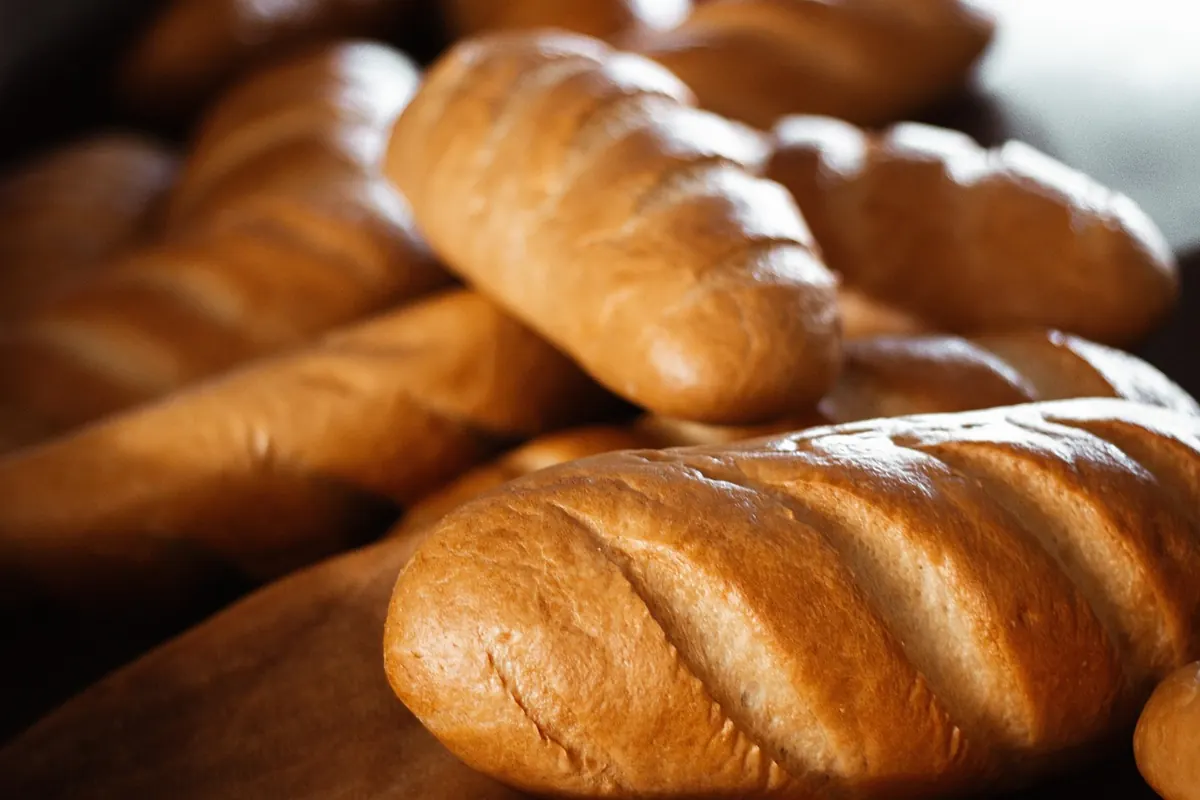
Yeasted vs. Sourdough: A Side-by-Side Comparison for Home Bakers
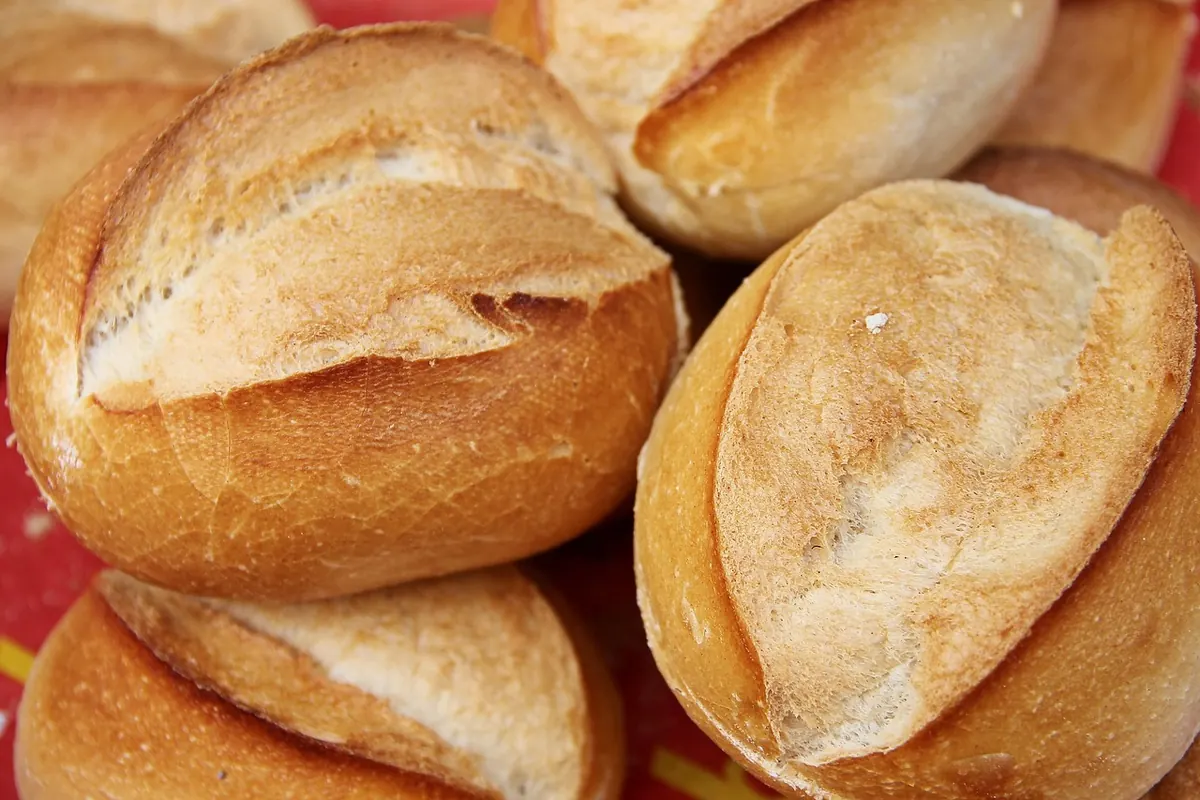
Two loaves sit on the same cooling rack, made from the same bag of flour, the same water, the same salt. One tastes clean and mild with a tender crumb; the other is tangy, chewy, and faintly sour at the finish. Nothing in the ingredient list explains the difference. What separates them is what did the rising, and how long it was given to do it.
If you are standing in your kitchen trying to decide which road to take, this comparison is meant to save you a few disappointing bakes. Yeasted and sourdough breads ask for different things and give back different things. Neither is the better bread. They are simply two answers to the same question.
What Is Actually Doing the Work
Commercial yeast is a single, selected strain of Saccharomyces cerevisiae, dried and packaged in a state that wakes up fast. You add a gram or two to a kilo of flour and within an hour the dough is climbing the bowl. It is predictable, cheap, and available at any supermarket.
A sourdough starter is a living culture of wild yeasts and lactic acid bacteria that you keep alive with regular feedings of flour and water. The yeasts raise the dough; the bacteria produce the acids that give sourdough its flavor and help the crumb stay moist for days. The culture is slower, more variable, and entirely yours.
Both are fermentation. Both benefit from time, decent gluten development, and a hot oven. The difference is that one method hands you the controls and the other asks you to negotiate.
Timing: One Afternoon or Two Days
A straightforward yeasted country loaf is a morning-to-afternoon project. Mix at nine, bulk ferment for roughly ninety minutes to two hours with a fold or two, shape, proof for forty-five to seventy-five minutes, and bake. You can be eating warm bread by two o'clock. Enriched doughs like brioche or milk bread take longer because the butter and sugar slow the yeast, but the rhythm is the same.
Sourdough runs on a different clock. You feed your starter the night before and let it rise for eight to twelve hours. Mix the dough in the morning, bulk ferment for four to six hours at room temperature with folds every thirty to forty-five minutes at the start, then shape and put the basket in the fridge for twelve to eighteen hours. You bake the next morning.
The honest time commitment
Hands-on time is closer than most people expect. A yeasted loaf takes maybe thirty minutes of active work; a sourdough loaf takes forty-five. The real difference is the shape of the waiting. Yeast fits into an afternoon with gaps you can fill with other tasks. Sourdough requires you to be home for the bulk ferment, though once the dough is in the fridge it waits patiently until you are ready.
Here is the trade worth knowing: a sourdough dough is more forgiving of a delayed bake, because the cold retard puts the brakes on. A yeasted dough left too long at room temperature will over-proof and collapse, and there is no rescue for that.
Flavor: Clean and Milky vs. Tangy and Layered
Yeasted bread tastes like wheat, and that is the point. The flavor is clean, faintly sweet from the flour, with a milky note in enriched doughs. It is the flavor of a good baguette eaten the same day, or a soft sandwich loaf that does not compete with what you put inside it.
Sourdough is more assertive. The acids add a sourness that ranges from a gentle yogurt-like tang to a sharper vinegar edge, and the long fermentation brings out a deeper, nuttier grain flavor underneath. The finish lingers. Some people love it immediately; others find it too strong at first.
You can steer the tang
Sourdough flavor is not a fixed setting. A starter fed twice a day at warm room temperature and used when it is at its peak gives a milder loaf. A stiffer starter fermented cool tends toward more acetic, vinegary notes; a wetter starter kept warm leans lactic and softer. Long cold proofing deepens flavor without necessarily making it sharper. If your first sourdough tastes too sour, adjust the starter before you change anything else.
Texture: Soft and Even vs. Open and Chewy
Yeasted breads typically produce a fine, even crumb and a thin, tender crust, especially when the dough includes milk, butter, or a little sugar. Slicing is tidy. Toast holds together. This is why most sandwich bread and enriched baking is yeasted.
Sourdough tends toward an irregular, open crumb and a thicker, blistered crust with real chew. The acids also slow staling, so a sourdough loaf often tastes good on day three, where a lean yeasted loaf is best on day one.
One caveat worth repeating: an open crumb is not automatic with sourdough. Hydration, shaping, and gluten strength do most of that work. A stiff sourdough dough can bake up tight and dense; a wet yeasted dough with good shaping can be wide open. Leavening affects texture, but it does not control it alone.
Difficulty: Where People Actually Get Stuck
The sourdough reputation for being hard is only half earned. Keeping a starter alive is easy once it is established. The genuine skill you are building is reading the dough and judging when the bulk ferment is finished.
- Yeasted dough pitfalls: using water that is too hot and killing the yeast, fermenting in a cold kitchen and giving up too early, skipping gluten development, and baking without steam so the crust sets before the loaf expands.
- Sourdough pitfalls: using a starter before it is reliably doubling, under-fermenting because the recipe said four hours and the kitchen is at eighteen degrees, over-shaping and knocking out the gas, and baking a cold dough without preheating the Dutch oven properly.
- Both: guessing at flour weight instead of using a scale, and under-salting at around 2 percent of the flour weight.
For a beginner learning to shape, yeasted dough is the kinder teacher. It rises on a schedule you can watch and it forgives a clumsy fold. Sourdough teaches you the same lessons, but each one takes a day to learn.
The Middle Ground: Hybrid Doughs
You do not have to choose a side. A poolish or biga — a small portion of flour, water, and a pinch of commercial yeast left overnight — gives you much of the depth and digestibility of a long ferment with the reliability of a yeasted timeline. Adding a spoonful of sourdough discard to a yeasted dough brings flavor without asking you to manage a full culture. Going the other way, a tiny amount of commercial yeast in a sourdough dough — around 0.3 percent of the flour weight — buys insurance while your starter is still young.
Fermentation is a spectrum, not a membership card. Use the method that fits your week.
How to Choose Your First Loaf
If you want bread today, bake with yeast. Start with a simple country loaf around 70 percent hydration, learn what a properly developed dough feels like under your hand, and practice shaping. Those skills transfer directly.
If you want a rhythm rather than a recipe, start a starter. It takes roughly two weeks before it is strong enough to raise bread reliably, and during that time you can bake yeasted loaves to stay motivated.
A workable plan for most home bakers: keep a small starter going, bake sourdough on weekends when you can be home for the bulk ferment, and keep yeast in the cupboard for Tuesday evenings when you want a loaf before bed. Both methods reward attention, and neither one is wasted effort.
One last note on the health question that always comes up. Sourdough is not gluten-free, and anyone with celiac disease or a diagnosed wheat allergy should avoid both breads. If you suspect bread is causing you discomfort, talk to a doctor rather than self-diagnosing through your baking schedule.
Photo: manfredrichter / Pixabay