Why Bread Has a History: A Beginner's Explainer on Grains, Power, and Daily Life
Anyone who has stood in a bakery at seven in the morning has felt it: bread is not only food. It is a timetable, a smell, a small piece of civic order. The ovens ran overnight so the street could start at dawn. That single fact — that someone worked while you slept so you could eat standing up — explains more about human history than most textbooks.
Bread carries the fingerprints of the field it came from, the town that regulated it, the religion that blessed it, and the class that could afford the whiter version. Once you know what to look for, a loaf stops being a grocery item and becomes a document. This is a beginner's guide to reading it.
It starts in a field, not an oven
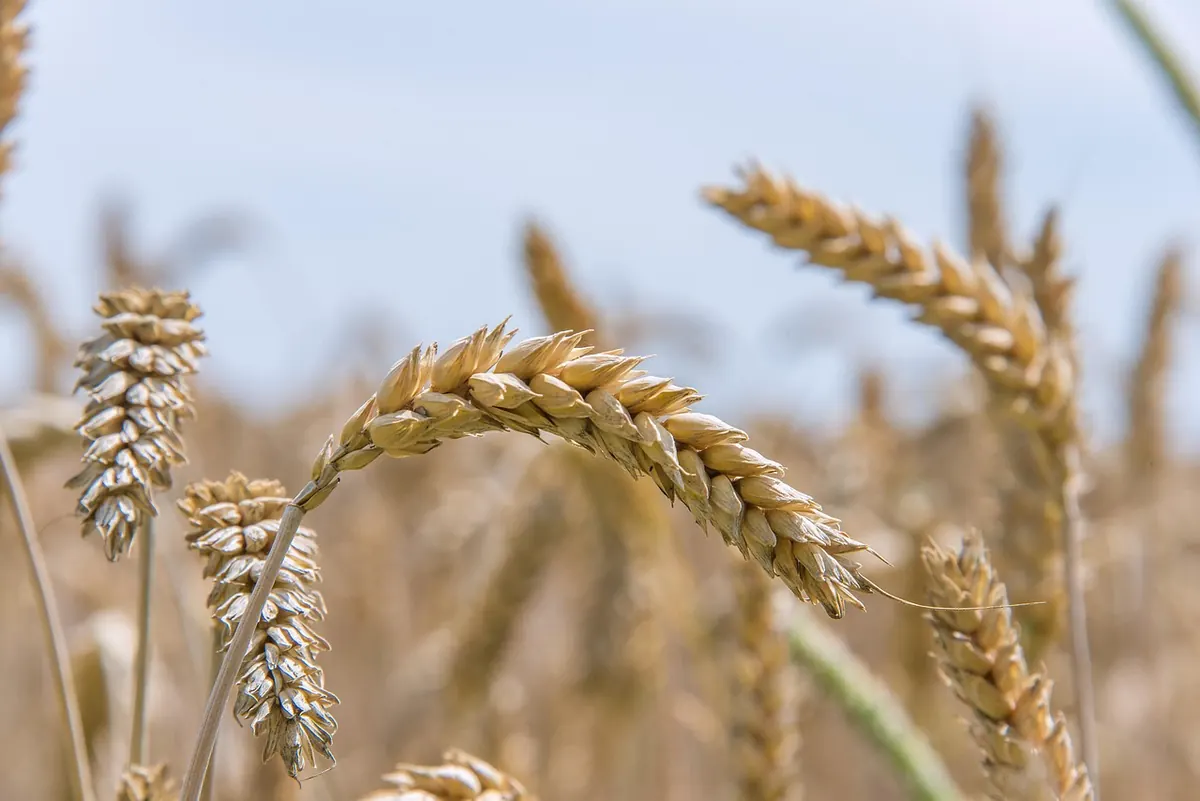
Before there was bread, there was grain that had to be persuaded to stay on the stalk. Wild wheats shatter when ripe, scattering seed on the ground — excellent for the plant, useless for the harvester. The early domesticated wheats of the Fertile Crescent, einkorn and emmer, held their grain long enough to be cut and carried. That change, roughly ten thousand years ago, was one of the hinges of human history, and bread is the reason it stuck.
Then came the labour. Grain has to be threshed to free it from the chaff, winnowed to clean it, and ground before it is edible. Flatbreads came first: a slurry of meal poured onto hot stones, or pressed against the wall of a clay oven. That is still how much of the world eats — roti, tortilla, injera, lavash, pita.
Lofted, airy bread needed two more inventions: a wheat with strong, elastic gluten, and an oven that could hold steady heat. Give a baker both and wild yeast does the rest. In colder, wetter regions rye and oats took over, which is why northern Europe's bread tradition is darker, denser and more sour than the Mediterranean's. Climate wrote the recipes long before bakers did.
Bread allowed cities to exist
Farming produces a surplus, a surplus supports people who do not farm, and those people need feeding every single day. Bread was the answer: dense in calories, easy to move, and divisible into rations. Bakeries appear early in the written record because they were too important to ignore.
Rome ran on grain fleets. Egyptian and North African wheat fed the city, and the state's grain supply — the annona — was a political instrument as much as a food programme. In Pompeii you can still see the millstones and domed wood-fired ovens of commercial bakeries, laid out for a trade that ran day and night. Medieval European towns took the same idea and wrapped it in rules: the assize of bread tied the weight of a loaf to the current price of wheat, so a baker's margin was fixed by law rather than by whim.
Those rules tell you what a town feared. Short weights, mouldy flour, and fire. Bakeries burned down, and their night-time ovens put whole streets at risk, which is why many towns pushed them toward the edge of the built-up area or insisted on stone construction. Bread was infrastructure, and infrastructure gets inspected.
The colour of the flour told you the class of the eater
For most of European history, whiteness was money. Sifting out bran and germ took labour and lost weight, so fine white flour cost more. The rich ate white bread; the poor ate coarse, dark, sometimes gritty bread. Where imported white flour arrived through trade or empire, the same hierarchy travelled with it and outlived the conditions that created it.
- White bread — status, urban, expensive; the bread of feasts and city tables.
- Wholemeal and rye — the everyday bread of labourers, cheaper per calorie and better at keeping a family fed.
- Trenchers — thick slabs of stale bread used as plates, then eaten or given away. Bread was tableware before it was a side dish.
- Rations and wages — loaves were paid out as part of wages or rations in many places, because a coin could be debased but a loaf could be eaten.
Worth pausing on how thoroughly that hierarchy has flipped. Today a dense, dark sourdough can cost more than a supermarket white sliced pan, and the coarse bread of necessity has been rebranded as a luxury. The economics moved; nothing else did.
A loaf is also a prayer
Almost every tradition that eats bread has given it a ritual role, and the rituals tend to share one idea: bread is a gift that must not be wasted. Christianity made it central to the Eucharist, with leavened and unleavened bread dividing churches as sharply as any argument about architecture. Judaism puts two loaves on the Sabbath table and tells the Exodus story with unleavened matzah. In much of the Islamic world bread is treated with visible care — not thrown on the ground, not casually discarded — because it stands for sustenance itself. In South Asia, roti is offered in temples, and in Sikh gurdwaras the community kitchen serves food to anyone who comes, without charge.
You do not have to be religious for this to matter. When people break bread together, they borrow a gesture that has meant "you are safe here" for a very long time.
Whoever holds the grain holds the city
Follow the price of bread and you can predict the politics. Grain is bulky, seasonal and perishable, which makes it easy to tax, hoard and corner. Governments have taxed it, requisitioned it, subsidised it and banned its export. When the price climbed past what a family could pay, the result was usually the same: crowds at the baker's door, then crowds in the street. Bread riots recur through European history not because people were irrational, but because a loaf was the difference between a hard week and a hungry one.
That is the through-line. Grain farming created the surplus that made cities possible; cities created the rules that made bakers public figures; religion made the loaf sacred; class decided whose loaf was white. Bread history is not a list of recipes — it is a way of watching four forces pull on the same object.
How to read bread history in your own kitchen
The fastest way to understand any of this is to make a loaf and pay attention to what it costs you. Four things worth trying:
- Bake one flatbread and one risen loaf in the same week. Note the difference in time, fuel and flour. You have just reproduced the two great eras of bread in your own oven.
- Sift a batch of wholemeal flour and weigh what you throw away. That discarded bran is why white bread was expensive; holding it in your hand is more convincing than any chart.
- Ask a baker which flour they use and why. Most will talk about protein levels, absorption and the behaviour of their starter. That conversation is applied grain science.
- Read the ingredient list on a supermarket loaf. Emulsifiers, enzymes and improvers are the descendants of the medieval assize: an attempt to make bread predictable at scale. Neither villain nor miracle — a different set of trade-offs.
Keep notes on what changes: the smell of the starter, the feel of the dough after ten minutes, how a wet dough and a dry one behave. Bread rewards attention more than equipment. And if you want to go further, visit a working mill, or a museum bakery with a wood-fired oven, and watch how much fuel and time one batch consumes. That is the history lesson, still warm.
Photo: donauwood_de / Pixabay