Seasonal Breads of Europe: A Month-by-Month Baking Calendar
Seasonal Breads of Europe: A Month-by-Month Baking Calendar
A month-by-month guide
European bread baking has always followed the rhythm of the year. The wheat harvest, the first spring herbs, the autumn grape crush, the feast days of winter, and the long fasting seasons of late winter all leave their mark on what bakers mix, shape, and prove. A seasonal bread calendar is not a rigid rulebook. It is a way of noticing how climate, agriculture, religion, and local habit shape the loaf on the table. In some months the bread is dark, dense, and built for cold weather. In others it is light, herby, and full of the first green growth of the year. This guide offers a month-by-month path through the breads of Europe, with examples that bakers can use as inspiration rather than prescription.
Seasonal baking is less a strict rule than a conversation between weather, harvest, and habit.
How to Use This Calendar
This calendar is organized around broad European traditions, not national borders. Many breads appear in several countries under different names, and many feast-day breads are baked in homes far from the region where they originated. Use the months as prompts. If a bread belongs to a religious festival, check the date of that festival in the current year, because Easter and other movable feasts shift the baking calendar. If a bread depends on a fresh crop, use what is available locally and adjust the flour, hydration, and proofing time to your kitchen.
It also helps to bake with the weather rather than against it. A warm kitchen in July will speed up a sourdough that would take all day in January. A cold, dry winter kitchen may call for a longer ferment and a little more water in the dough. The month-by-month list is therefore a guide to flavor, tradition, and ingredient availability, not a guarantee that every loaf will behave the same way in every home.
The Month-by-Month Calendar
January: Epiphany and New-Year Breads
January in Europe is a month of rich, celebratory breads and steady winter loaves. In Spain, the roscón de reyes is baked for Epiphany on January 6: a ring-shaped enriched dough scented with orange and filled or decorated with candied fruit. In Greece, the New Year’s bread vasilopita often hides a coin, turning the first slice into a small act of luck. German baking traditions include the neujahrsbrezel, a large pretzel-shaped New Year bread, while many northern European kitchens return to dark rye sourdoughs with caraway and seeds. January is also a good month for sturdy country loaves that toast well and keep through cold, dark days.
February: Carnival Fried Breads and Lenten Lean Loaves
February is shaped by Carnival and by the approach of Lent. Fried doughs appear across Europe before the fasting season: Berliner in Germany, fritule in Croatia, frappe in Italy, and fastelavnsboller in Scandinavia. These are not all breads in the strictest sense, but they belong to the same seasonal baking language of celebration before restraint. At the same time, bakers begin to think about leaner breads made without rich ingredients. February is a useful month to practice simple sourdough, rye blends, and breads that rely on grain and fermentation rather than butter, sugar, and eggs.
March: Spring Herbs and St. Patrick’s Day Soda Bread
March brings the first clear signs of spring and a renewed appetite for green, herbal flavors. In Ireland, soda bread is strongly associated with St. Patrick’s Day, although it is baked all year. Its appeal in March is practical: it comes together quickly, needs no long fermentation, and suits a table with soup or stew. Across Europe, bakers begin adding wild garlic, nettles, parsley, chives, and other early greens to breads and flatbreads. Lenten baking also continues, and hot cross buns may begin to appear in shops and home kitchens as Easter approaches. March is a transitional month, with one foot in winter rye and the other in spring herbs.
April: Easter Enriched Breads
April is one of the richest months in the European bread calendar, especially when Easter falls in April. Greek tsoureki is a soft, braided Easter bread flavored with mahleb and mastic. Polish and Ukrainian paska and kulich are tall, enriched Easter breads, often baked in cylindrical tins and decorated with icing. Italian colomba is a dove-shaped Easter cake-bread with candied peel and almonds. In Portugal, folar can be sweet or savory, and in Britain hot cross buns mark Good Friday. These breads are rich with eggs, butter, and sugar, a deliberate contrast to the lean weeks of Lent.
May: Herb Breads and May Day Loaves
May is a month for fresh herbs, young greens, and lighter breads. Wild garlic fougasse, herb-speckled flatbreads, and soft rolls with chives or dill suit the season. In parts of Europe, May Day and local spring festivals are marked with small breads and sharing loaves. This is also a good time to experiment with higher-hydration doughs and shorter bulk ferments, because warmer kitchens encourage activity. A simple rosemary and olive oil focaccia or a parsley-rich country loaf can capture the mood of the month without requiring a specific feast day.
June: Midsummer Rye and Seeded Breads
June brings midsummer celebrations in Scandinavia and the Baltic region, where rye, barley, and seeded breads remain central. Dark rye loaves, crispbreads, and seeded rolls pair well with pickled fish, fresh cheese, and summer herbs. The long daylight hours can make fermentation feel almost too fast, so bakers often use cooler water or a shorter bulk rise. June is also a practical month for baking breads that travel well to picnics and outdoor tables: firm rye loaves, seeded rolls, and flatbreads that hold up without much fuss.
July: Summer Flatbreads and Tomato Bread
July is the month of tomatoes, olive oil, and hot kitchens. In Italy, focaccia and tomato bread are natural choices, while in Spain pa amb tomàquet turns good bread into a simple summer dish with ripe tomato, olive oil, and salt. French bakers may return to baguettes and rustic pain de campagne, and many home bakers prefer flatbreads that bake quickly and do not heat the kitchen for too long. July is less about rich festival breads and more about bread as an everyday support for the best produce of the season.
August: Harvest Country Loaves
August is harvest time in much of Europe, and the bread calendar turns toward substantial country loaves made with wheat, rye, and mixed grains. Sourdough loaves with a deep crust, seeded boules, and simple round loaves suit markets, communal meals, and the first cool evenings after a hot day. In some regions, August is also a month of local fairs and village festivals where bread is baked in wood-fired ovens. The emphasis is on generosity and keeping quality: a large loaf that can be sliced through the week is often more useful than a delicate enriched bread.
September: Grape Harvest Breads
September brings the grape harvest in wine-growing regions, and with it one of Europe’s most distinctive seasonal breads: schiacciata con l’uva in Tuscany, a flatbread studded with grapes and sometimes rosemary. Similar grape breads and sweet focaccias appear in other Mediterranean regions. Onion breads and savory tarts also become common as the evenings cool. September is a bridge between summer flatbreads and autumn rye, making it an excellent month for bakers who want to use fresh fruit in bread without turning the loaf into a dessert.
October: Pumpkin, Chestnut, and Rye
October is a month of orange squash, chestnuts, and darker flours. Pumpkin breads, chestnut breads, and rye loaves with seeds or dried fruit suit the cooling weather. In Germany and Austria, pretzels and rustic farmhouse breads appear alongside autumn beer and harvest celebrations, although these foods are not limited to October. The month is a good reminder that seasonal baking does not have to mean sweetness. Earthy vegetables, nuts, and whole grains can bring depth to bread without much sugar.
November: St. Martin’s Breads and Early Winter Loaves
November brings St. Martin’s Day traditions in parts of Germany, Austria, and neighboring regions, including small shaped breads and sweet yeasted figures. Soul cakes and other remembrance-day breads appear in some communities, while chestnut and walnut breads continue the autumn theme. As the days shorten, bakers return to darker, longer-fermented loaves. November is also the month when many home bakers begin preparing dried fruit, nuts, and spices for the Christmas season, even if the actual baking happens in December.
December: Christmas Stollen, Panettone, and Spiced Breads
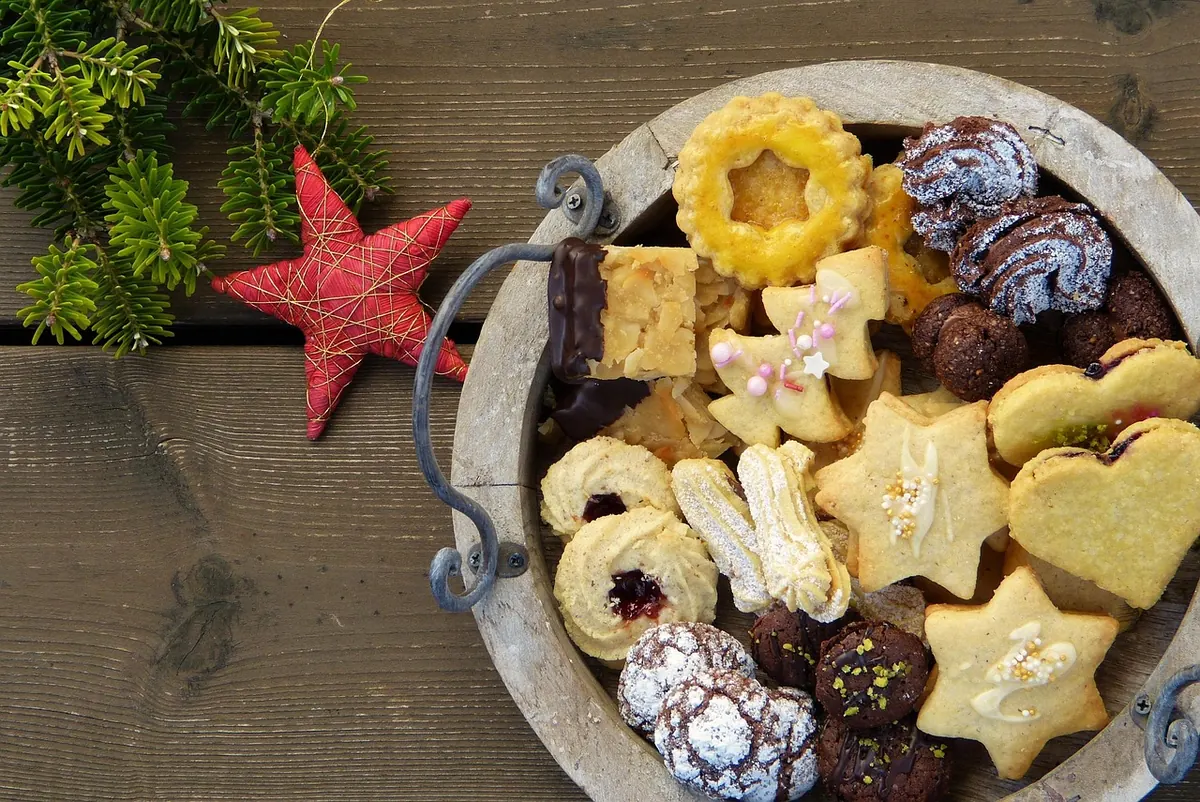
December is the most famous month in the European seasonal bread calendar. German stollen is packed with dried fruit, nuts, and marzipan and finished with a thick dusting of powdered sugar. Italian panettone and pandoro are enriched, long-fermented celebration breads. Scandinavian julekage, Czech vánočka, Austrian kletzenbrot, and spiced gingerbreads such as lebkuchen and pierniki all belong to the winter table. These breads are often made in advance, given as gifts, and served in thin slices with coffee, tea, or a glass of something sweet.
Practical Notes for the European Bread Year
A seasonal bread calendar is most useful when it remains flexible. Flour differs from country to country and even from bag to bag, so adjust hydration by feel rather than by number alone. Enriched doughs with butter, eggs, and sugar need more time and a gentler warmth than lean sourdoughs. Rye benefits from longer rest and often from a sourdough starter, while wheat breads can be made with commercial yeast or a natural leaven depending on time and taste.
- Plan around feast days: Easter, Epiphany, Christmas, and Carnival move or cluster, so check the calendar before choosing a festival bread.
- Use local produce: herbs in spring, tomatoes in summer, grapes in early autumn, and nuts or squash in late autumn are reliable guides.
- Respect the kitchen climate: warm rooms speed fermentation; cold rooms slow it. Taste and touch matter more than the clock.
- Bake to share: many European seasonal breads are large, celebratory, and designed for a table rather than a single baker.
Above all, the European bread year is a reminder that bread is never only flour and water. It is a record of the season, a marker of celebration, and a practical answer to what is available and what is needed. Bake through the months at your own pace, and let the calendar suggest rather than dictate the next loaf.
Photo: JessicaKwok / Pixabay