Pumpernickel, Rye, and Schwarzbrot: A German Bread Comparison
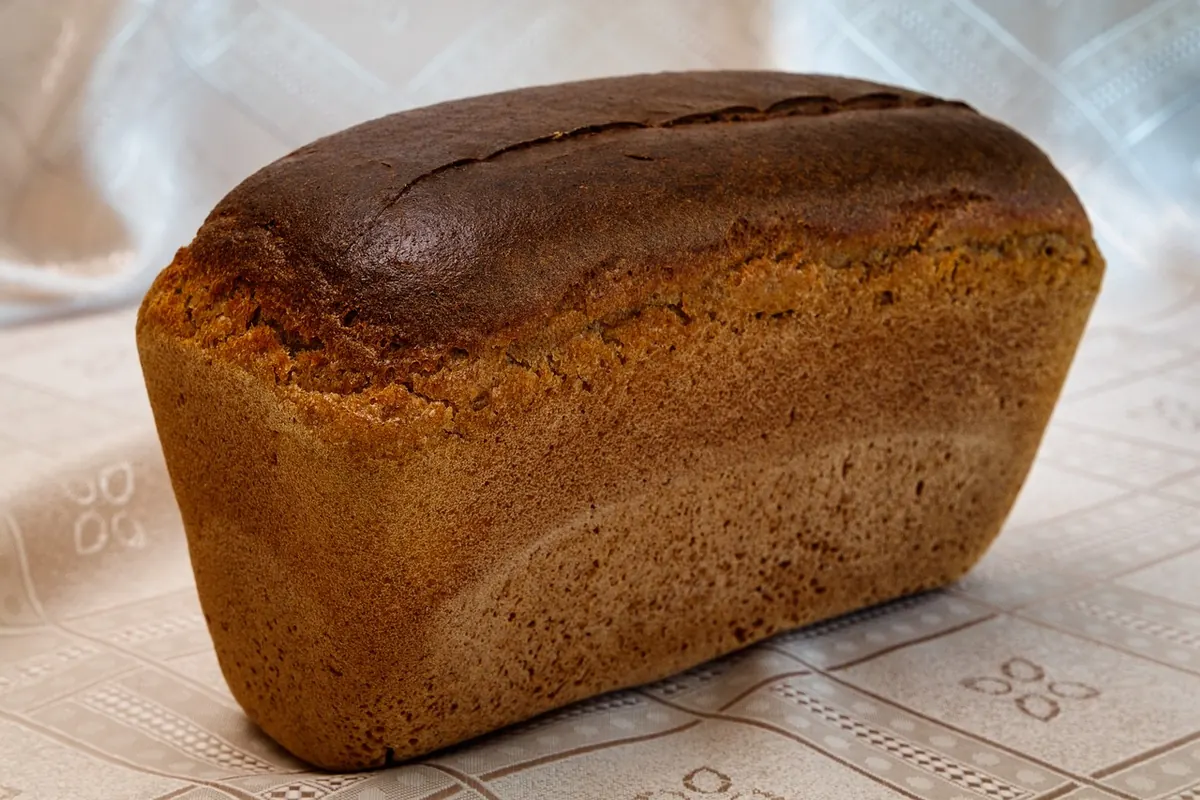
Walk into a good German bakery and you will find at least three dark loaves that look like cousins. One is a squat, brick-heavy block wrapped in paper. Another is a round, crackled loaf with a dusting of rye flour. The third sits in a tin, almost black, and smells faintly of malt. Ask for pumpernickel, rye bread, or Schwarzbrot and you may get any of them — or something completely different, depending on which region you are standing in. The three names overlap, but they are not interchangeable. What follows is how they actually differ, and how to use each one properly.
Three names, three different kinds of thing
The confusion starts with language. Pumpernickel is a specific bread with a defined grain and a defined method. Rye bread, or Roggenbrot, is a family named after its grain — rye breads range from pale grey to nearly black, from mild to sharply sour. Schwarzbrot simply means "black bread" and is a colour word doing the work of a recipe; it changes meaning as you move from the North Sea coast to Bavaria.
So a comparison is slightly unfair from the start: one is a recipe, one is a grain category, one is a label. Keep that in mind and the rest makes sense.
Grain and structure: what is actually in the loaf
Pumpernickel is built on whole rye — traditionally a coarse rye meal, sometimes with cracked rye, and no wheat at all. Rye has little of the gluten that wheat depends on, so the dough cannot be stretched and shaped. It is packed into a pan instead and left to set into its own shape.
Rye bread covers a much wider field. A pure rye loaf uses nothing but rye flour or meal, sometimes with a little rye starter built over several stages. A Roggenmischbrot blends rye with wheat, often somewhere between half and three-quarters rye, which gives a lighter, more open crumb. Northern German bakers tend toward the rye-heavy end; the further south you go, the more wheat creeps in.
Schwarzbrot is the wildcard. In the north it is usually a rye or rye-wheat loaf baked dark and long. In the south you may be handed a wheat-and-rye bread darkened with malt extract or sugar beet syrup, sometimes studded with sunflower seeds. Both are called Schwarzbrot and neither is wrong.
Sourness: where the tang comes from
Rye needs acid. Its starch breaks down easily during baking, and without an acidic sourdough the crumb turns gummy and collapses. That is why nearly every rye bread in Germany is built on Sauerteig, and why the sourness you taste is a structural necessity rather than a stylistic choice. A long, cool fermentation adds more of it; a young starter adds less.
Pumpernickel usually tastes milder than people expect. The sourdough is there, but the long bake pushes the flavour toward malt, caramel and dried fruit. What reads as "sweet" in a good pumpernickel is the rye's own sugars browning slowly, not added sugar.
Schwarzbrot sits anywhere on the scale. A northern rye Schwarzbrot can be properly sharp; a southern wheat-based one is often mild and faintly sweet from syrup. To judge sourness before buying, smell the cut face rather than the crust — the crust carries roast notes that mask the acid.
Density and crumb: reading the slice
Pumpernickel is the densest of the three, moist enough to hold a shape when cut thin, almost like a firm terrine. That is not a fault; it is the point. Slices are measured in millimetres, not centimetres.
Rye breads sit in the middle. A pure rye loaf is close-textured and heavy for its size; a rye-wheat blend is springier and lighter, with small irregular holes. Schwarzbrot is often the heaviest of all in its tin-baked northern form, though the southern versions can be surprisingly light.
Weight is the honest test. A dark loaf that feels light for its volume is usually a wheat bread coloured with malt — pleasant, but not the same thing. A dark loaf that feels like a doorstop is doing what it should.
Baking method: time, temperature, and the tin
This is where pumpernickel earns its name. The loaf is baked in a closed, often lidded pan at low heat — broadly in the range of 100°C to 130°C — for many hours, commonly overnight and sometimes close to a full day. Steam stays trapped with the bread, so it neither dries out nor forms a thick crust. The colour comes from the Maillard reaction and from caramelised rye sugars, not from a colouring agent.
Rye bread is baked hotter and faster: a strong initial burst of heat, then a falling oven, with steam for the first part of the bake. Pure rye loaves still need a long, gentle finish to set the crumb, and most bakers rest them for a day before slicing. Schwarzbrot can go either route — hearth or tin, moderate or long — which is another reason the word resists a single definition.
A few signs that tell you what happened in the oven:
- No thick crust, moist interior: a long, covered, low bake — pumpernickel territory.
- Firm, thin, glossy crust with a springy crumb: a conventional rye bake with steam.
- Very dark colour, mild flavour, light feel: malt or syrup in a wheat-blend Schwarzbrot.
- Deep colour plus a malty, almost raisiny aroma and heavy weight: a long-baked rye, closer to pumpernickel in style.
At the table: traditional serving styles
Pumpernickel is a vehicle for fat and salt. Butter first, then thin-sliced Westphalian ham and a cornichon; or quark beaten with grated radish and chives; or cream cheese with a little smoked fish. Its sweetness also likes sharp partners — pickles, mustard, mature cheese. In Westphalia it appears alongside hearty soups and stews, and it holds up in a lunchbox better than almost any other bread.
Rye bread is the everyday loaf, and its serving style follows the region. A rye-wheat Mischbrot makes the standard Abendbrot plate: sliced cheese, cold cuts, a pickle, butter. Pure rye goes well with herring, liverwurst and strong mountain cheese. Toasted, it turns nutty and firm enough to hold a wet topping without going soft.
Schwarzbrot is served thick. A northern slice with butter and coarse salt, raw onion rings and a fillet of Matjes herring is close to a regional institution. With aged cheese and a little mustard it needs nothing else. Where the loaf is sweet-malted, try it with butter and a slice of sharp apple.
Buying, storing and tasting: a practical routine
- Ask two questions at the counter. How much rye is in it, and is it fully sourdough? The answers separate the three categories faster than the label does. Pumpernickel should not need wheat; a rye-wheat loaf should tell you its ratio.
- Buy whole where you can, pre-sliced where it helps. A dense rye keeps better whole. Pumpernickel is moist enough that pre-sliced packs are a fair convenience.
- Slice to the bread, not to habit. Three to five millimetres for pumpernickel, eight to ten for rye, thicker for a light Schwarzbrot. A sharp, long serrated knife and a sawing motion, not pressure.
- Store in paper or linen, cut face down. Plastic traps moisture and softens the crust; the fridge dries bread out faster than a bread box. For anything longer than a few days, slice and freeze, then toast from frozen.
- Revive, don't discard. A splash of water on the cut face and a few minutes in a hot oven brings a tired rye back. Pumpernickel rarely needs it — it keeps for weeks.
- Taste them side by side. Three thin slices, the same butter, a glass of water between each. You will notice the malt in the pumpernickel, the acid in the rye, and the syrup in a southern Schwarzbrot immediately.
One note for the table: all three breads are made from rye or wheat and contain gluten, so they are not suitable for a coeliac diet. Beyond that, treat them as what they are — filling, slow-eating breads that reward small portions and good butter. Buy one of each, cut them thin, and the differences stop being academic.
Photo: Alexei_other / Pixabay