A Local Bakery Crawl Checklist: What to Look for in a Neighborhood Loaf
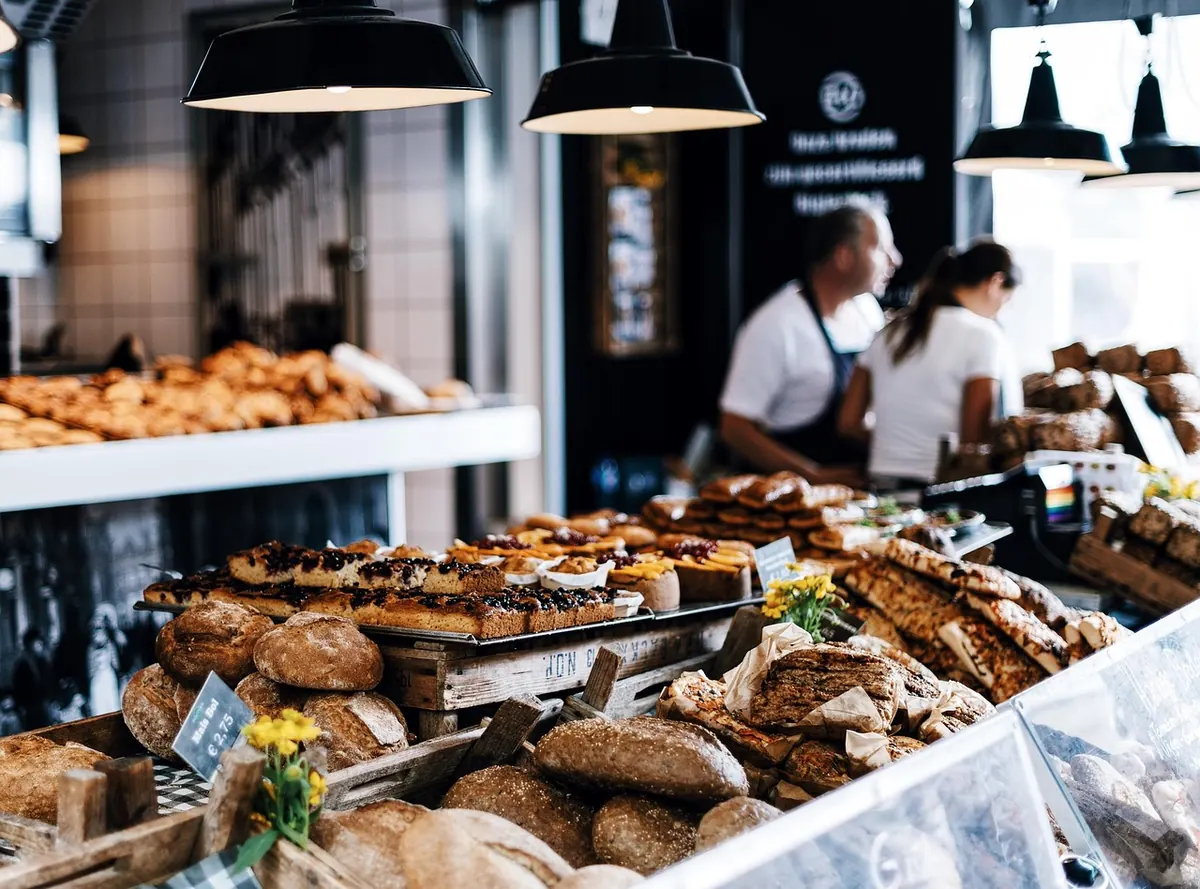
You do not need a clipboard to judge a bakery. You need a tote bag, a little patience, and a few questions you can ask without sounding like a health inspector. A good bakery crawl is less about crowning the single best loaf in town and more about learning to read what is already in front of you: the sound of the crust, the smell of the fermentation, the way a slice springs back under your thumb.
The checklist below works for a serious sourdough baker and for someone who just wants better toast on Sunday. Use it as a route. Start with the loaf in your hands, move to the questions you ask behind the counter, then settle into the rhythm of the shop itself. By the end of the morning, you will know which loaves are worth a detour and which ones are merely convenient.
Start With the Crust: Sound, Color, and Feel
Pick up the loaf with both hands. Turn it over. The crust is the first honest report you get, and it tells you more than the label ever will.
The knock and the base
Tap the bottom of the loaf with your knuckles. A well-baked bread should sound hollow, like a drum with a little weight behind it. A dull thud often means the center is still dense or underbaked. Look at the base, too: pale, soft patches suggest the loaf needed more time on the stone, while a blackened ring around the bottom usually means the oven was too hot or the bake was rushed.
Color and crackle
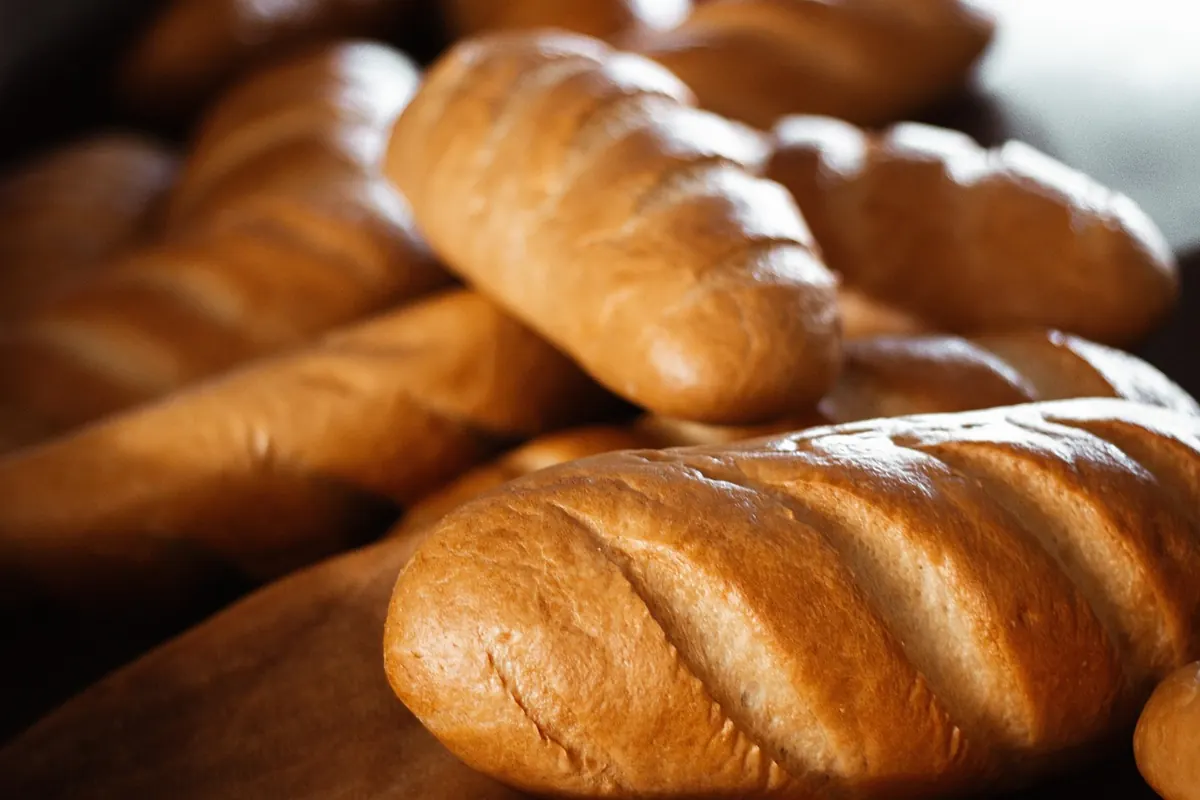
A good crust has variation. You want deep amber to chestnut brown, with darker ridges and lighter valleys where the dough opened up. Uniform beige is a warning sign; it usually points to a short bake or a cool oven. Set the loaf down for a moment and listen. A crust that crackles as it cools is a small, pleasant sign that the bread is still settling. If the crust feels leathery or bends without resistance, it may have been baked in steam and then sealed in plastic too soon.
Read the Crumb: What the Inside Says
Ask for a slice, or cut into the loaf when you get home. The crumb is where fermentation leaves its fingerprints, and it is harder to fake than a dark crust.
A naturally leavened loaf usually has an irregular, open crumb. The holes should vary in size, with glossy, almost translucent walls. That shine comes from starch that has gelatinized properly during the bake. Press a slice gently: it should spring back and feel tender, not spongy or tacky. A gummy, sticky crumb is often underbaked, while a tight, uniform, cottony crumb is a clue that the dough was proofed quickly and baked for volume rather than flavor. Neither is automatically bad—a soft sandwich loaf is a legitimate thing—but it helps to know what you are buying.
Smell the cut face
Bring a slice close and smell it. You should catch wheat, a little yogurt-like tang, maybe toasted nuts or a faint sweetness. Raw flour or a harsh, alcoholic sharpness means the dough was rushed, underfermented, or both. The aroma should make you want to eat the slice plain, before the butter.
Follow the Fermentation Aroma
Fermentation is the part of breadmaking that cannot be hurried without consequences, so ask about it directly. Most bakers are happy to talk. A sourdough loaf that fermented overnight in a cool room will smell layered and calm; a loaf made with a long, cold proof often has a more complex aroma than one that never left the counter.
Ask how long the dough rested and whether it went into the fridge. “Overnight” is a floor, not a full answer, and a baker who can describe the timeline is usually a baker who tastes the dough along the way. You are not looking for a secret formula. You are looking for someone who knows the difference between a dough that is ready and one that is merely convenient.
Ask About Sourcing Without Grilling the Staff
You do not need a full supply chain report. One or two simple questions will tell you whether the bakery cares about flour or just buys whatever is cheapest. Ask who mills the flour, or where the wheat comes from. Ask whether the whole wheat is stone-milled in-house or bought already ground. If they can name a mill, a farm, or a wheat variety, that is a strong sign the bread is being made with intention.
If the person at the counter does not know, that is information, not a crime. They may be new, or the baker may be off that day. Note it and move on. What matters more is whether the bread tastes like wheat rather than like a generic brown sponge.
Check for Freshness, Then Check for Keeping
Freshness is not just “baked this morning.” It is a question of when, and how the loaf has been handled since.
The hour matters
Ask what time the loaves come out. A bakery that bakes in the early morning will have a different character by noon than one that bakes in waves through the day. If you want a crisp crust, buy close to the bake. If you want a loaf for the week, buy later and ask how it has been stored. Bread kept in a paper bag will soften; bread sealed in plastic will keep longer but lose its crust. Neither is wrong—just know which one you are taking home.
The two-day test
Buy a small loaf, leave it in paper on the counter, and see how it holds up. A good loaf may stale, but it should not turn gummy or sour overnight. If it molds within two days in mild weather, that is worth noticing. It may simply mean the bread has no preservatives, which is normal, but it also tells you to buy smaller and more often.
The Checklist in Your Pocket
Use this as a quick reference when you are standing at the counter. You do not need to score every loaf; just run through the list and see which points stand out.
- Crust: hollow knock, even browning, crisp rather than leathery.
- Base: no pale patches, no burnt ring, no soft spots.
- Crumb: irregular holes, glossy walls, springs back when pressed.
- Aroma: wheat, yogurt, toasted grain—not raw flour or acetone.
- Fermentation: the baker can describe the timeline without guessing.
- Sourcing: someone can name the mill, the farm, or the wheat.
- Freshness: you know when it was baked and how it has been stored.
- Keeping: a day-old slice is still edible, not gummy or stale at the center.
Make the Crawl Count: Practical Habits for the Route
Plan three or four bakeries, not ten. Start early, buy small, and resist the urge to fill your bag at the first stop. Ask for a half loaf or a roll so you can compare without committing to a week of bread. Take a photograph of the label or jot a note on your phone while the taste is still in your mouth: “crackly crust, open crumb, mild tang” is enough.
Talk to the staff, and buy something small even if you leave with only a pastry. Bakeries are small businesses, and a little conversation goes further than a silent inspection. Go back at a different hour. A loaf at seven in the morning and the same loaf at four in the afternoon are two different experiences, and both are useful to know. Finally, give the bread a fair chance at home: slice it thick, toast it, eat it plain before you add anything. The neighborhood loaf you remember will be the one that tasted good without help.
Photo: Pexels / Pixabay